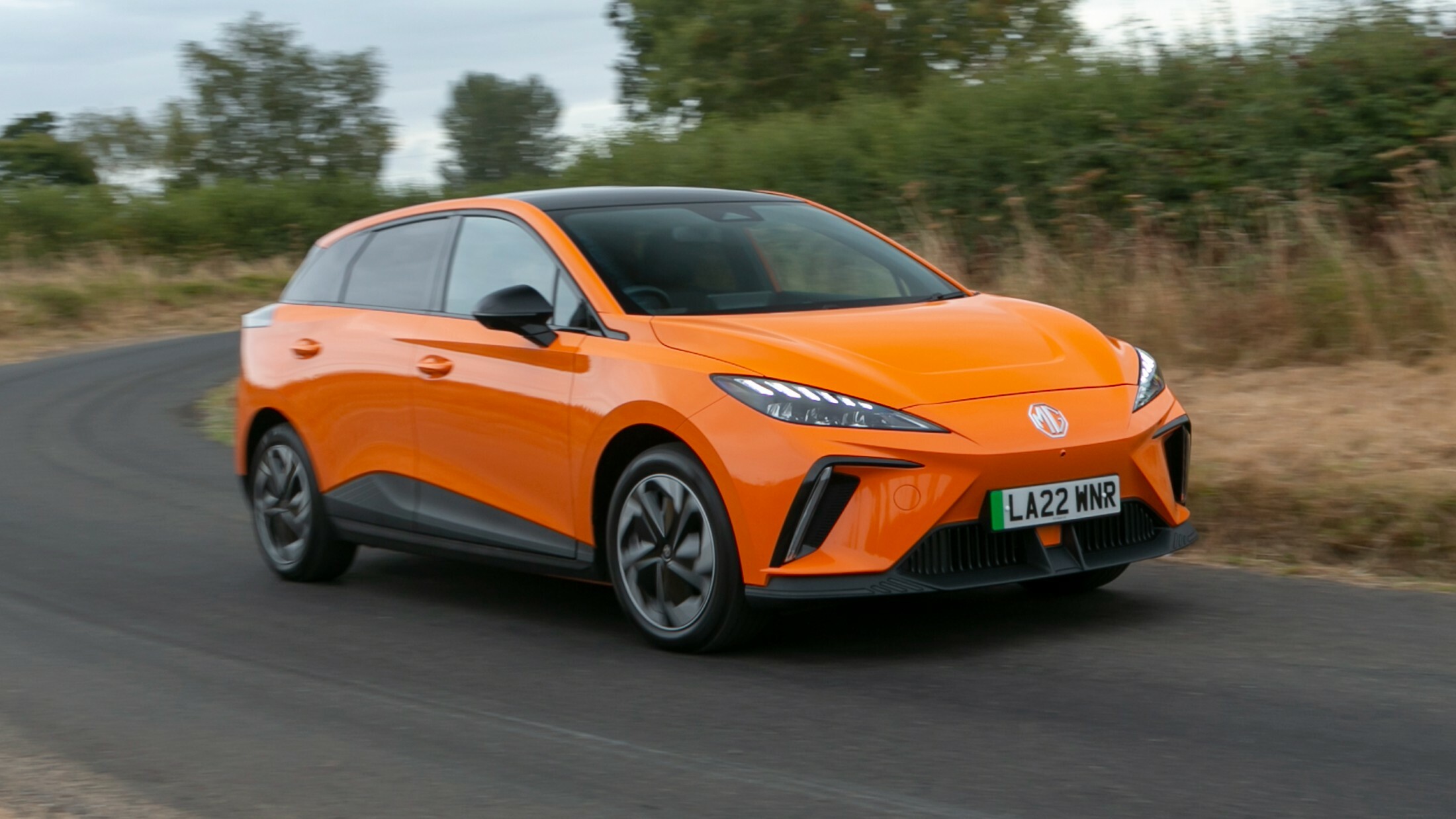
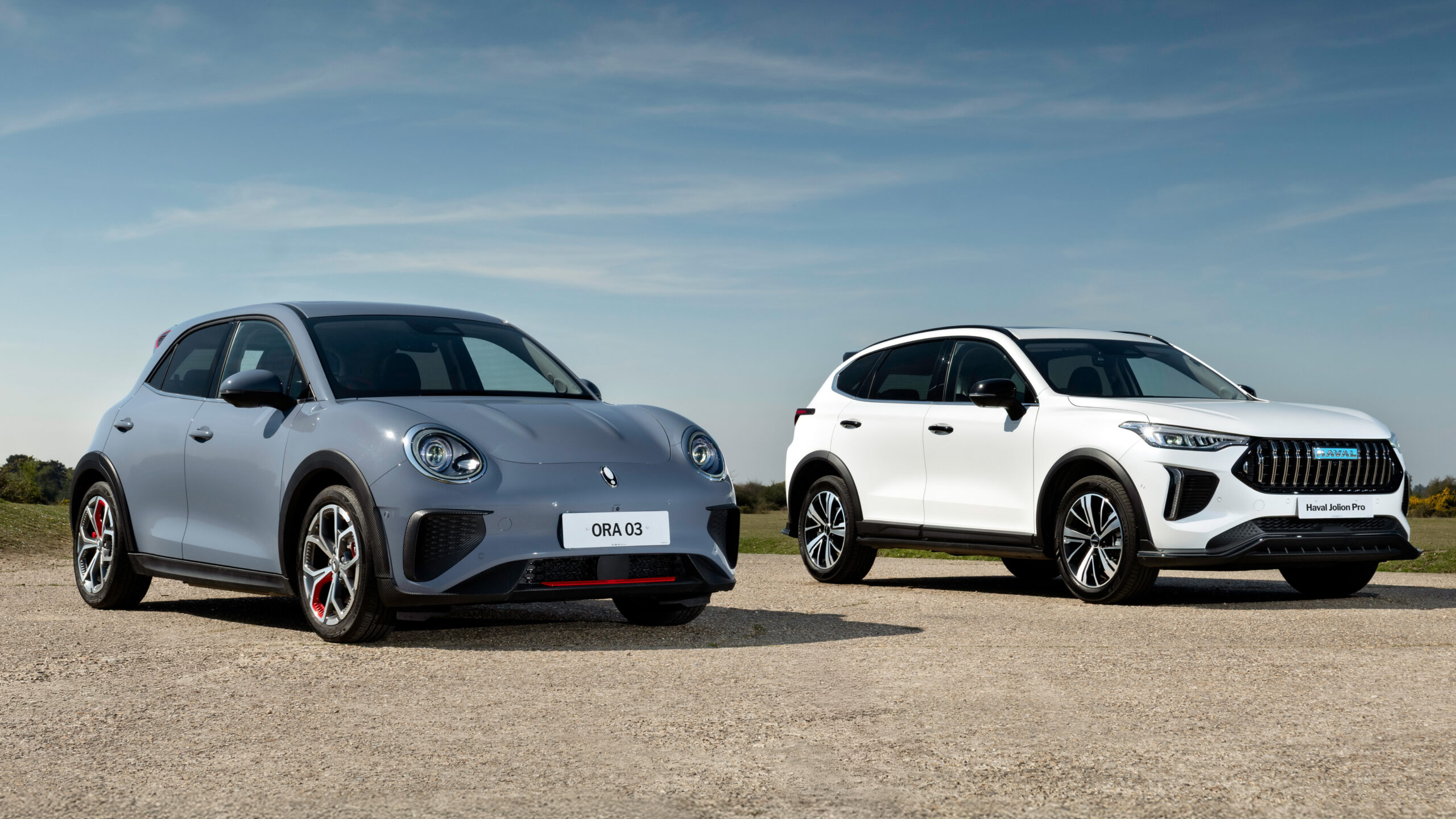
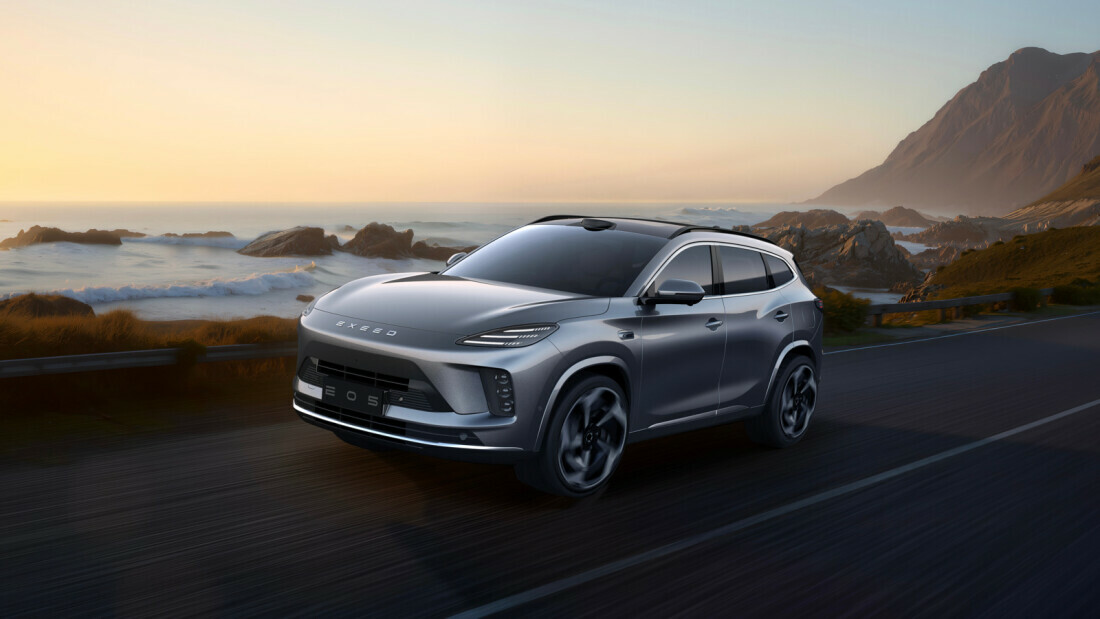
Chinese automakers are taking advantage of a loophole in European legislation, redirecting their offerings towards hybrid and combustion engine models while delaying the opening of local factories. Sales of Chinese vehicles in Europe are expected to explode this year, far exceeding forecasts.
A booming market
Forecasts are clear: sales of Chinese cars in Europe will exceed 700,000 units this year. Imagine a flood of vehicles coming from China, like a rising tide, inundating the old continent despite customs barriers. In 2024, only 408,000 cars had found buyers. A spectacular leap that undermines the European strategy put in place to curb this invasion.
These astonishing figures come even as additional tariffs of 35% are added to the 10% already in effect since last November. So, why this turnaround? European authorities hoped that these taxes would encourage Chinese brands to set up local production. Instead, sales continue to rise, defying all logic.
Bypassing through hybrids

Instead of dampening demand, tariffs have redirected it towards hybrid and combustion engine models, which only incur a base tariff of 10%. It’s as if Chinese manufacturers have found a backdoor in an impregnable fortress. This circumvention of regulations has allowed these brands to continue their conquest of the European market with minimal penalties.
With production costs up to 30% lower than those in Europe, it is economically illogical for these brands to bring their production back to the old continent just to escape customs duties. They are therefore exploiting this loophole with disconcerting agility.
Philippe Houchois, managing director at Jeffries, summarizes the situation: “The EU’s decision has left a large gap open for hybrids and even for those manufactured in China.” To date, about two-thirds of Chinese vehicles imported into Europe have only been subject to this standard 10% duty.
In fact, the share of electric vehicles in sales of Chinese cars in Europe fell from 44% between January and October 2024 to just 34% in 2025. A significant drop that reflects a radical change in business strategies.
Local production still rare

For now, local manufacturing remains a dream for many. Fewer than 20,000 vehicles from Chinese brands are expected to be assembled in Europe this year. Certainly, BYD plans to open a new factory in Hungary capable of producing up to 150,000 units per year, but this remains the exception rather than the rule.
Other Chinese manufacturers seem reluctant to follow suit. Although several have mentioned plans for establishing operations in Europe, most remain theoretical. It’s a bit like dreaming of a bright future without ever taking action.
Aspirations to fulfill
Nevertheless, some Chinese players have concrete plans. Leapmotor, for example, is considering producing its B10 model in Spain, while GWM plans to assemble up to 300,000 vehicles in the region by 2029. Others like Dongfeng and Hongqi are also exploring potential sites for local production.
Meanwhile, Chery, Xpeng, and GAC are already assembling a few models on-site, but this remains limited. The ambition is there, but reality is moving at the pace of a sluggish snail.

A Europe caught in its own game
The European Union’s attempt to erect customs barriers to protect its manufacturers seems to have had the opposite effect. Instead of slowing the rise of Chinese brands, it has opened a boulevard for hybrids and internal combustion models, allowing Chinese manufacturers to penetrate deeper into the European market.
The lesson here is simple: wanting to play gatekeeper without considering the consequences can lead to comical situations where one ends up helping those one wanted to hinder. The future will tell if European manufacturers can find solutions to compete with these newcomers who seem ready to do anything to conquer the market.
To explore more about this dynamic and its implications in the automotive industry, check out our section automotive news.